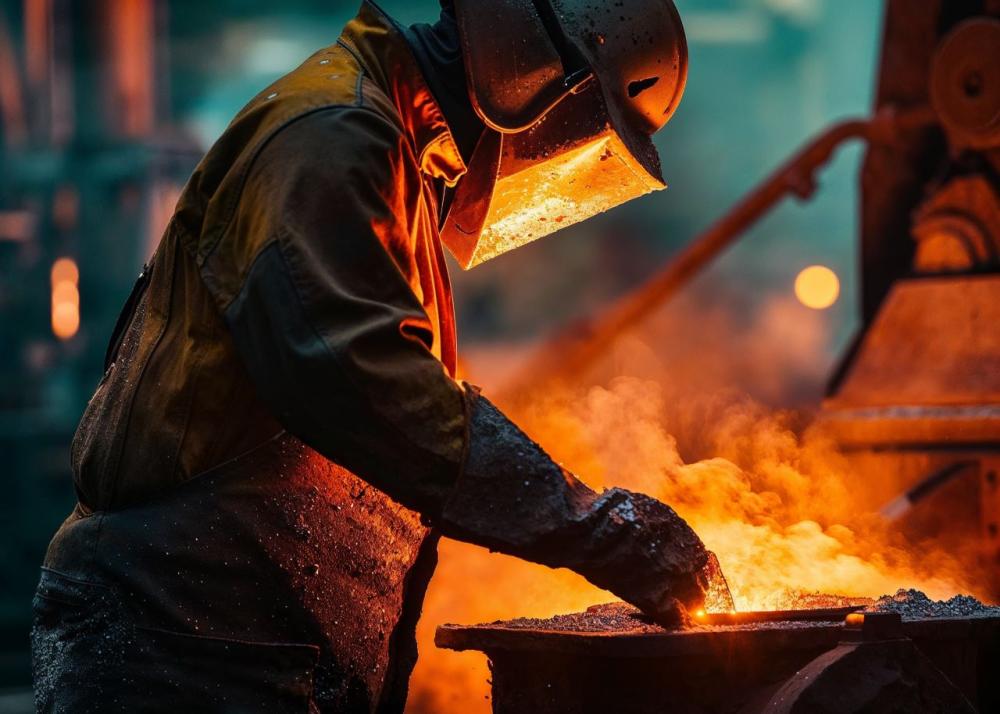
Foundry: a complete guide to PPE for optimal protection in the metallurgical industry
Foundry, a major pillar of the metallurgical industry, plays a crucial role in manufacturing metal parts for a wide range of sectors. In 2022, the overall turnover of foundry manufacturers in France reached €5.9 billion, an impressive 18% increase on the previous year, with a production volume of 1.584 million tonnes (1). This significant growth underlines the importance and vitality of the sector, which employs almost 28,288 people across around 330 sites nationwide.

However, despite these encouraging figures, the foundry industry faces considerable challenges, particularly in terms of occupational safety. Foundry processes, which involve handling molten metal and exposure to extreme temperatures, present unique and potentially dangerous occupational risks. In this context, the use of suitable Personal Protective Equipment (PPE) becomes not only a legal obligation but a vital necessity to protect workers' health and safety.
This complete guide takes an in-depth look at the issues surrounding PPE in the foundry sector. We examine the specific features of the job, the inherent occupational risks, current regulations and the most advanced protection solutions. Our aim is to provide foundry professionals, from managers to operators, with a comprehensive resource for understanding, choosing and effectively using the PPE suited to their unique working environment.
As the foundry industry continues to evolve through technological innovation and economic challenges, the priority given to worker safety remains paramount. This guide highlights best practice, the latest PPE innovations and strategies for building a robust safety culture in French foundries.
Get ready to dive into the complex and fascinating world of foundry, where mastering PPE is the key to a safe and productive working environment.
Foundry and PPE: understanding the specific features of the job for better protection
Foundry is a complex and potentially dangerous industrial sector, where controlling occupational risks is paramount. In 2022, the overall turnover of foundry manufacturers in France reached €5.9 billion, with a production volume of 1.584 million tonnes (1). These impressive figures underline the economic importance of the sector, but also the need for adequate protection for the 28,288 or so people who work in it.
Key foundry processes and their associated risks
At the heart of foundry work is the transformation of metals at high temperature. This process involves several critical stages, each presenting specific risks:
- Melting: this stage exposes workers to extreme temperatures, often above 1,500°C. The main risks include thermal burns, exposure to infrared radiation and inhalation of potentially toxic metal fumes.
- Moulding: preparing moulds, often made of sand, generates respirable crystalline silica dust, a recognised carcinogen. In 2024, crystalline silica is considered a major occupational risk factor, requiring closer monitoring and specific protective measures.
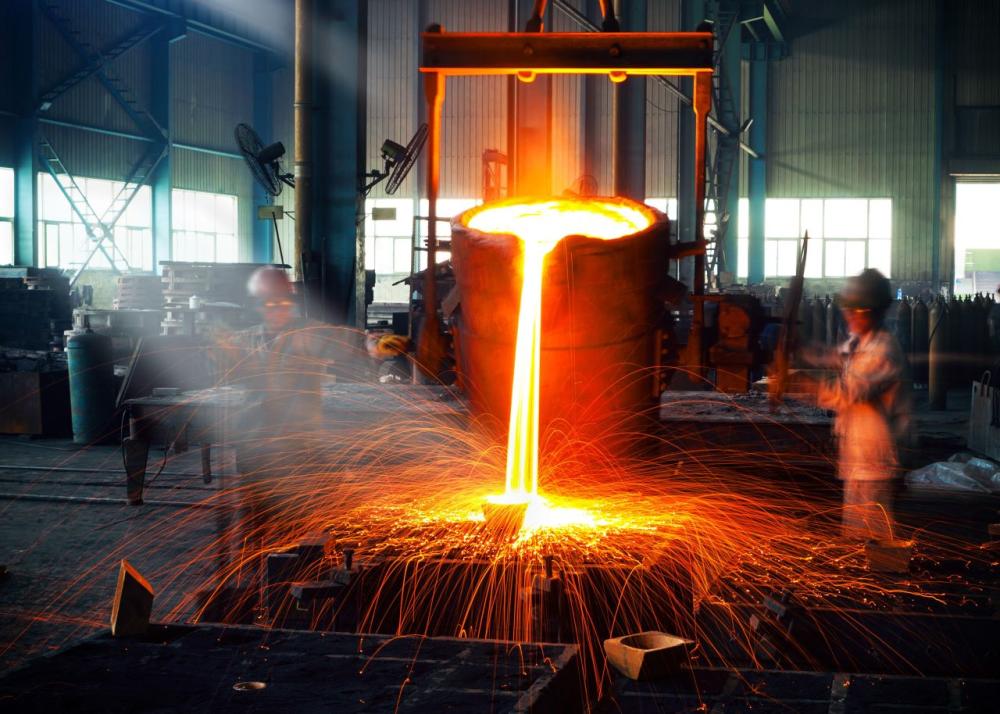
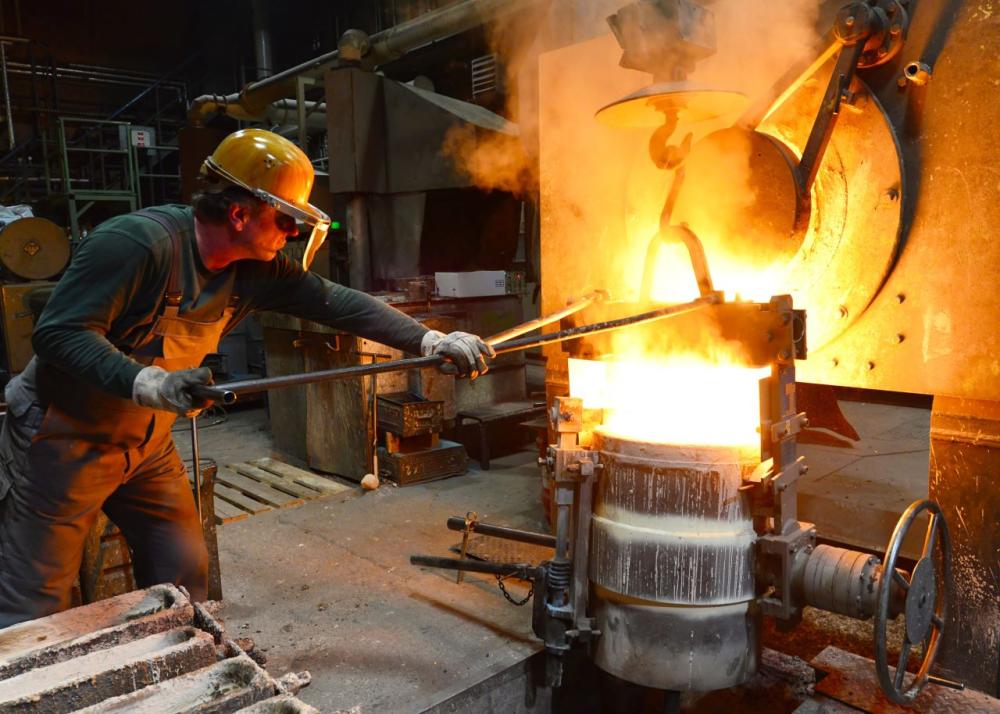
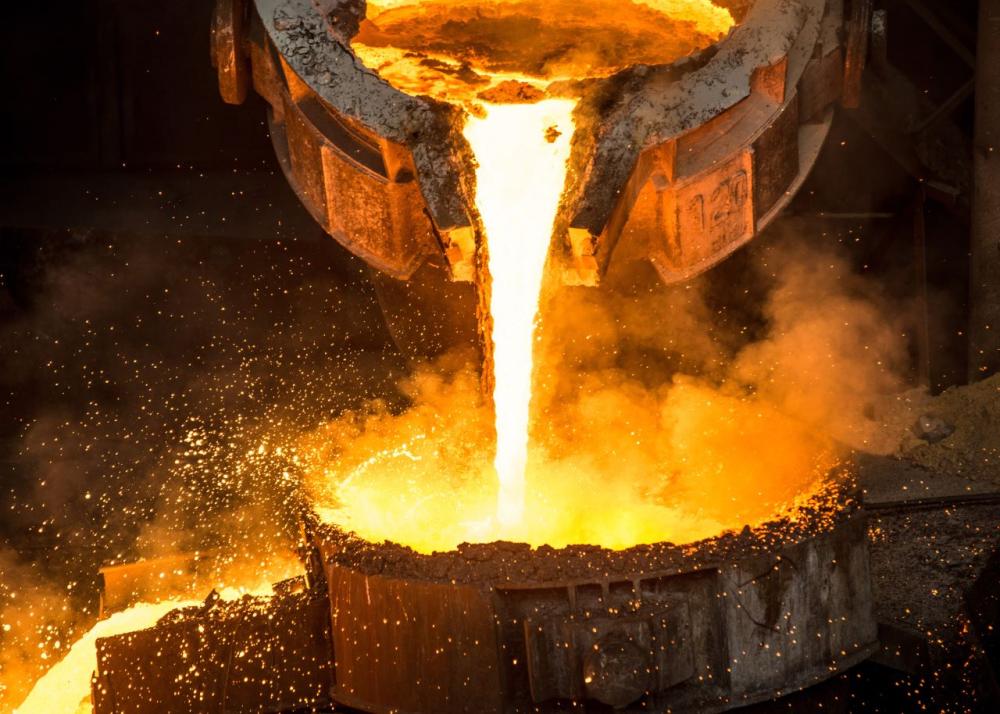
- Pouring: transferring molten metal into moulds is a delicate operation that presents risks of splashes and molten metal spatter.
- Knockout and fettling: these final stages involve handling parts that are still hot and can generate metal dust and vibration.
The impact of high temperatures on PPE selection
Intense heat is ever-present in the foundry environment. According to a study published in the Journal of Safety Research, thermal conditions in the workplace have a significant impact on workers' safety behaviour. It is therefore essential to choose Personal Protective Equipment (PPE) suited to these extreme conditions:
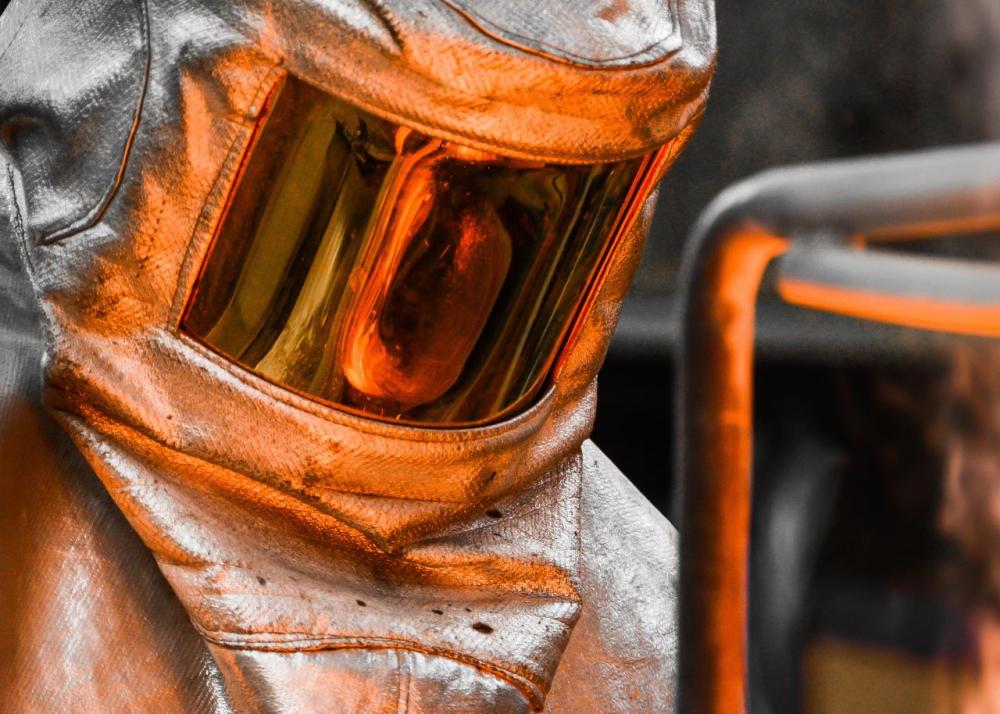
- Aluminised clothing: it reflects radiant heat and protects against molten metal splashes.
- Heat-resistant gloves: essential for handling tools and parts at high temperature.
- Reinforced safety footwear: it must withstand heavy falling objects and hot metal splashes.
- Helmets with face shields: they protect the head and face against splashes and radiation.
- Respiratory protective equipment: essential for filtering fumes and dust, particularly crystalline silica.
It is important to note that only 3.8% of workers in some artisanal foundries have adequate personal protective equipment, according to a study carried out in Dakar. This alarming figure underlines the urgent need to improve awareness of and access to PPE in the foundry industry.
By understanding the specific features of the foundry worker's job and the associated risks, it becomes possible to implement an effective protection strategy. The appropriate use of PPE, combined with collective prevention measures and adequate training, is necessary to protect the health and safety of workers in this demanding sector.
Foundry and PPE: the specific occupational risks to control
The foundry industry presents a range of specific occupational risks that require particular attention and suitable protective measures. In 2024, controlling these risks remains a major issue for the health and safety of workers in the sector.
Hazards linked to molten metal and spatter
At the heart of foundry work is the handling of molten metals at extremely high temperatures. According to L'Officiel Prévention, when producing molten metal, furnace temperatures (electric, gas, etc.) are around 1,000°C for many alloys, while ladle covers and pouring launders can reach 1,200°C and hand ladles 1,500°C (2). The main associated risks are:
- Thermal burns: direct contact with molten metal or hot surfaces can cause serious or even fatal burns.
- Metal spatter: during pouring or transport of liquid metal, splashes can occur, endangering nearby operators.
- Infrared radiation: prolonged exposure can cause eye injuries, including cataracts, and skin burns.
To deal with these risks, the use of specific PPE is fundamental:
- Full-body aluminised clothing
- Long-cuff thermal protective gloves
- Helmets with infrared-filtering face shields
- Heat- and spatter-resistant safety footwear
Chemical and respiratory risks
Foundry work exposes workers to various hazardous chemical agents, the most worrying of which are:
- Respirable crystalline silica dust: classified as a proven carcinogen by IARC, crystalline silica is present in foundry sand. Prolonged exposure can lead to silicosis, a serious lung disease. In 2024, crystalline silica is considered a major occupational risk factor, with an occupational exposure limit value (OELV) set at 0.1 mg/m³ for quartz and 0.05 mg/m³ for cristobalite over 8 hours (source).
- Metal fumes: inhaling fumes containing metal oxides (lead, nickel, chromium) can cause respiratory diseases and, in the long term, cancer.
- Thermal decomposition products: the breakdown of resins used in moulds generates emissions of formaldehyde (a carcinogen) and other toxic substances.
To prevent these risks, it is important to put in place:
- High-performance ventilation and extraction systems
- Mandatory wearing of suitable respirators (FFP3 minimum)
- Enhanced health surveillance for exposed workers
Other physical risks to consider
- Noise: high noise levels in foundries can lead to occupational deafness. Wearing hearing protection is essential.
- Vibration: using vibrating tools during knockout or fettling exposes workers to the risk of musculoskeletal disorders.
- Handling heavy loads: transporting parts and materials can cause back pain and sciatica.
- Fire and explosion risks: the presence of molten metal and combustible materials requires strict prevention measures and suitable firefighting equipment.
It is important to note that the occupational accident and disease (AT/MP) contribution rate for the "cast iron, cast steel and malleable cast iron foundry" sector is set at 7.38% for 2024, reflecting the high level of risk in this industry (source).
In conclusion, controlling occupational risks in the foundry sector requires a comprehensive approach combining:
- Systematic use of suitable, well-maintained PPE
- Collective protection measures (ventilation, isolation of hazardous areas)
- Ongoing worker training on risks and good practice
- Regular health surveillance adapted to the sector's specific exposures
Risk prevention in foundries is a constant challenge that requires unfailing vigilance and close collaboration between employers, employees and occupational health services.
Foundry and PPE: applicable regulations and standards for compliant protection
Safety in the foundry industry is governed by a set of strict regulations and standards designed to ensure optimal worker protection against the specific risks of this sector. In 2024, these requirements were strengthened and updated to take account of technological advances and new knowledge in occupational safety.
European and French regulatory framework
Regulation (EU) 2016/425 on personal protective equipment, which came into force on 21 April 2018, remains the cornerstone of European PPE regulations. This regulation sets out the health and safety requirements that PPE must meet in order to be placed on the European Union market.
In France, the French Labour Code incorporates these European provisions and supplements them with specific requirements. Article R. 4323-91 of the French Labour Code states that employers must provide suitable PPE free of charge and ensure that it is actually used.
Specific standards for foundry PPE
Several harmonised European standards apply specifically to the PPE used in the foundry industry:
- EN ISO 11612:2015: this standard, updated in 2015, covers protective clothing against heat and flame. It defines the performance requirements for clothing designed to protect the body, except the hands, against heat and flame. Clothing compliant with this standard must resist flame spread (code A), convective heat (code B), radiant heat (code C), molten aluminium splash (code D), molten iron splash (code E) and contact heat (code F).
- EN ISO 9185:2007: this standard specifies a test method for assessing the resistance of materials to molten metal splash. It is particularly relevant for the clothing and gloves used in foundries.
- EN 407:2020: this standard, recently updated in 2020, defines the performance requirements for protective gloves against thermal risks (heat and/or fire). It covers six performance criteria: resistance to flammability, contact heat, convective heat, radiant heat, small splashes of molten metal and large quantities of molten metal.
- EN 166:2001: this standard applies to all types of personal eye protectors used against the various hazards that can damage the eye or impair vision. It is particularly important in the foundry context for protection against molten metal splashes and high-speed particles.
- EN 397:2012+A1: it defines the physical, performance and marking requirements for industrial safety helmets, ensuring optimal protection against falling objects and impacts. It specifies mandatory tests such as shock absorption and chin strap strength, as well as optional requirements such as protection against electrical risks or molten metal splash.
Recent regulatory developments
In 2024, several regulatory developments strengthened PPE requirements for the foundry industry:
- Regulation (EU) 2024/1252 of 11 April 2024 establishes a framework for ensuring a secure and sustainable supply of critical raw materials. This regulation has indirect implications for PPE manufacturing, encouraging the use of sustainable and innovative materials in PPE design.
- Decision (EU) 2023/2752 of 7 December 2023 amended the harmonised standards for certain types of PPE, in particular strengthening the requirements for helmets and gloves used in high-temperature environments.
- In France, the order of 27 December 2023 on the pricing of occupational accident and disease risks for 2024 set the AT/MP contribution rate for the "cast iron, cast steel and malleable cast iron foundry" sector at 7.38%. This high rate reflects the significant risks associated with this industry and underlines the importance of adequate protection.
Employer and manufacturer obligations
Employers in the foundry industry are required to:
- Carry out an occupational risk assessment and update it regularly.
- Provide suitable PPE that complies with current standards.
- Train workers in the correct use of PPE.
- Ensure PPE is maintained and replaced according to the manufacturers' recommendations.
For their part, PPE manufacturers must:
- Design and manufacture PPE that complies with the health and safety requirements of Regulation (EU) 2016/425.
- Carry out the appropriate conformity assessment procedures.
- Draw up the technical documentation and EU declaration of conformity.
- Affix the CE marking to compliant PPE.
Conclusion
Compliance with current regulations and standards is essential to ensure worker safety in the foundry industry. Employers and PPE manufacturers must remain vigilant and keep up to date with regulatory developments to ensure optimal protection against the specific risks of this sector. Investing in quality PPE that complies with the latest standards is not only a legal obligation but also an investment in workers' health and safety, contributing to the productivity and sustainability of the foundry industry.
Foundry and PPE: protection solutions suited to the industry's challenges
The constantly evolving foundry industry needs advanced personal protective equipment (PPE) to deal with the specific risks of this sector. In 2024, PPE innovations offer increasingly effective solutions suited to the needs of foundry workers.
Specialist PPE for protection against heat and spatter
- Next-generation aluminised clothing: the latest advances in aluminised fabrics offer greater thermal protection while improving breathability and comfort. For example, some ranges offer clothing certified to EN ISO 11612:2015, specifically designed to withstand extreme temperatures and molten metal splashes. This clothing combines Preox Kevlar outer fabrics with Proban-treated cotton linings, providing optimal protection against radiant and convective heat and metal splashes.
- Innovative thermal protective gloves: new thermal protective gloves incorporate advanced composite materials that offer greater heat resistance while maintaining dexterity. Some models, compliant with EN 407:2020, offer protection against temperatures of up to 1,000°C for short periods, while allowing precise handling of tools and parts.
- Improved helmets and face shields: the latest foundry helmets and face shields incorporate reflective materials and advanced ventilation systems. This equipment, compliant with EN 166:2001, offers greater protection against molten metal splashes and radiant heat, while improving user comfort through better air circulation.
Respiratory protective equipment in the foundry environment
- Fresh air supply respirators: these systems, increasingly used in foundries, supply the user with filtered, cooled air, providing optimal respiratory protection against metal fumes and fine particles while reducing heat stress. The latest models are fitted with integrated communication systems, making it easier for workers to coordinate in noisy environments.
- Smart, adaptive filters: new respirator filters use advanced technologies to adapt automatically to air pollution levels. Some models incorporate sensors that adjust airflow according to the user's physical activity, optimising both protection and comfort.
Hearing protection innovations
- Custom-moulded earplugs: some companies offer custom-moulded earplugs that provide personalised hearing protection and greater comfort for prolonged use. These earplugs, certified to EN 352-2, are particularly well suited to noisy foundry environments.
- Connected earmuffs: the latest earmuffs incorporate wireless communication technologies, allowing workers to stay in contact while benefiting from optimal hearing protection. Some models also include selective noise filtering, allowing wearers to hear alarms and important communications while blocking harmful noise.
Integrated solutions and monitoring systems
- Connected PPE: integrating sensors into PPE enables real-time monitoring of working conditions and workers' health. For example, clothing fitted with temperature and humidity sensors can alert the wearer and supervisors to the risk of heat stress.
- Geolocation and alert systems: devices built into PPE make it possible to locate a worker quickly in the event of an accident and send automatic alerts in the event of a fall or prolonged immobility.
Innovative, sustainable materials
Bio-based materials: the use of bio-based materials in PPE manufacturing is gaining ground, offering more sustainable and environmentally friendly alternatives without compromising safety. For example, some manufacturers are exploring the use of flame-resistant treated natural fibres to make protective underwear.

Foundry and PPE: a selection guide for optimal protection
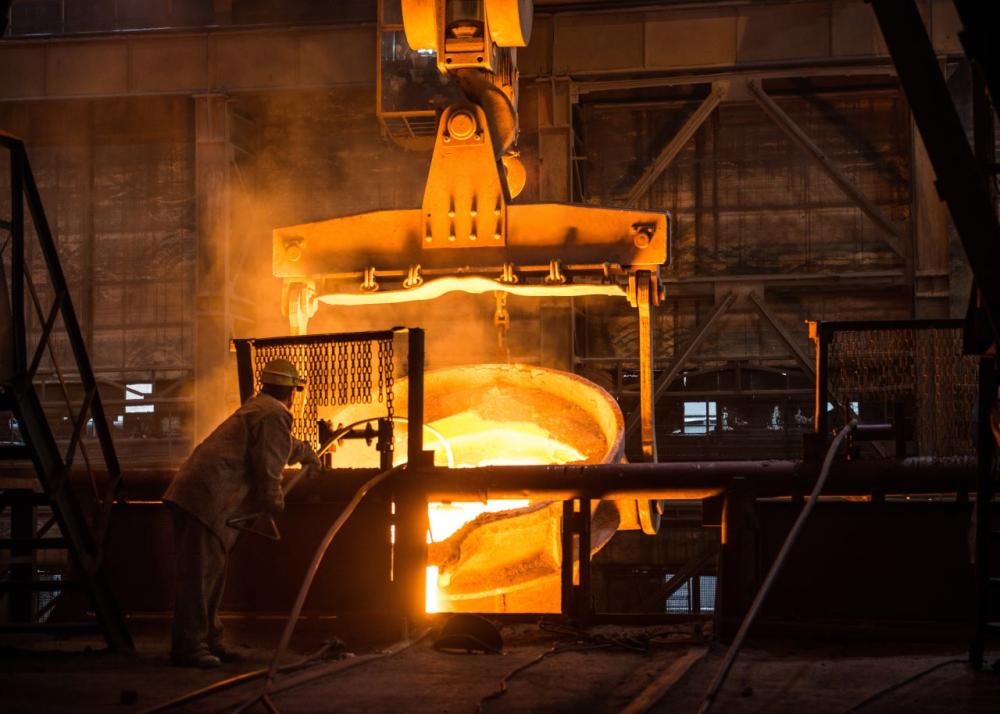
Choosing the right personal protective equipment (PPE) in the foundry industry requires a thorough understanding of the specific risks and current standards. This guide aims to help safety managers and workers select the PPE best suited to their needs.
Essential criteria for choosing the right foundry PPE
1. Assessment of specific risks: before selecting PPE, a detailed assessment of the risks specific to each workstation must be carried out. This assessment must take into account:
- The temperature levels workers are exposed to
- The types of spatter (molten metal, sparks, etc.)
- The presence of fumes and dust
- Noise levels
- Mechanical risks (falling objects, cuts, etc.)
2. Compliance with standards: make sure all selected PPE complies with current European standards. In 2024, the main standards to consider are:
- EN ISO 11612:2015 for protective clothing against heat and flame
- EN 407:2020 for protective gloves against thermal risks
- EN 166:2001 for eye and face protection
- EN 352 for hearing protection
- EN 149:2001+A1:2009 for respiratory protective masks
3. Comfort and ergonomics: comfortable, well-fitting PPE is more likely to be worn correctly and regularly. Consider:
- The lightness and flexibility of materials
- Correct fit and size
- Breathability to reduce heat stress
4. Durability and resistance: in the demanding foundry environment, PPE must be robust and able to withstand intensive use. Look for:
- High-quality, hard-wearing materials
- Reinforced seams on clothing
- Anti-abrasion treatments on gloves and footwear
5. Compatibility between different items of PPE: make sure the different items of protection can be worn together without compromising their effectiveness. For example, helmets must be compatible with hearing protection and face shields.
Adapting PPE to different foundry workstations
1. Furnace and pouring operators:
- Full-body aluminised clothing
- Long-cuff thermal protective gloves
- Helmet with integrated high-temperature-resistant face shield
- Heat-resistant safety footwear with metatarsal protection
- Respirator with metal fume filtration
2. Moulding and core-making operators:
- Flame-retardant coverall
- Cut- and abrasion-resistant gloves
- Safety glasses or face shield
- Dust mask (FFP3)
- Slip-resistant safety footwear
3. Finishing and fettling operators:
- Cut-resistant clothing
- Cut-resistant and anti-vibration gloves
- Safety glasses with side protection
- Dust mask (FFP3)
- Hearing protection (earmuffs or earplugs)
4. Maintenance staff:
- Flame-retardant coverall
- Multi-purpose gloves (thermal and mechanical protection)
- Safety helmet with integrated visor
- Insulating safety footwear
- Safety harness for work at height
Additional considerations
1. Training and awareness: selecting the right PPE is only the first step. It is important to train workers regularly in:
- The correct use of PPE
- Inspecting and maintaining equipment
- Recognising signs of wear or damage that require replacement
2. Renewal and maintenance: establish a PPE renewal and maintenance programme, taking into account:
- The manufacturers' recommendations
- Intensity of use
- The environmental conditions specific to your foundry
3. Customisation: where possible, choose personalised or made-to-measure PPE, particularly for:
- Custom-moulded hearing protection
- Prescription safety glasses
- Orthopaedic safety footwear
4. Monitoring and continuous improvement: set up a user feedback system to:
- Identify fit or comfort issues
- Assess PPE effectiveness in real conditions
- Stay informed of the latest innovations and improvements available on the market
Foundry and PPE: training and awareness, the keys to prevention
In the foundry industry, the effective use of personal protective equipment (PPE) depends not only on the quality of the equipment itself, but also on how it is used. Worker training and awareness play a key role in preventing occupational risks. This section explores the importance of these aspects and proposes strategies for promoting a robust safety culture in foundries.
The importance of continuing training in PPE use
1. In-depth understanding of risks: effective training must start with a detailed explanation of the risks specific to the foundry environment. Workers must understand why each item of PPE is necessary and how it protects them against specific hazards.
2. Correct use of equipment: each type of PPE must be used appropriately to be fully effective. Training must cover:
- Correct fitting and wearing procedures
- The protection limits of each item of equipment
- Signs of wear or damage to look out for
3. PPE maintenance and storage: the durability and effectiveness of PPE depend greatly on its maintenance. Workers must be trained in:
- Appropriate cleaning and disinfection methods
- Correct storage procedures to avoid damage
- Recommended replacement frequency
4. Updates on new technologies: with the rapid evolution of PPE technologies, regular training sessions are needed to familiarise workers with new equipment and its features.
Strategies for effective training
1. Practical, interactive training: favour practical training methods that allow workers to handle and try on PPE in a controlled environment. Emergency simulations can help strengthen PPE skills under pressure.
2. Use of modern technologies: incorporate innovative training tools such as:
- Virtual reality to simulate hazardous work scenarios
- Mobile apps for safety reminders and quizzes
- On-demand demonstration videos
3. Peer training: encourage experienced workers to share their knowledge with colleagues. This approach can strengthen the safety culture and improve adherence to safety practices.
4. Regular assessments: introduce periodic assessments to make sure knowledge of PPE use remains up to date. These assessments can also help identify areas that need further training.
Raising awareness and promoting a safety culture in foundries
1. Ongoing safety communication:
- Hold regular safety meetings to discuss problems and improvements
- Use posters, newsletters and information screens to remind staff of the importance of PPE
- Share success stories and lessons learned from near misses
2. Employee involvement:
- Set up safety committees with representatives from every level of the company
- Encourage workers to suggest safety improvements
- Recognise and reward exemplary safety behaviour
3. Visible leadership:
- Make sure managers and supervisors lead by example by always wearing the appropriate PPE
- Organise regular management visits to the shop floor to discuss safety with workers
4. Integrating safety into processes:
- Include safety criteria in performance reviews
- Build safety discussions into daily meetings and team briefings
Overcoming barriers to PPE use
1. Identifying barriers: carry out regular surveys to understand why workers might be reluctant to use certain PPE (discomfort, hindrance to work, etc.).
2. Customised solutions: work with PPE suppliers to adapt equipment to the specific needs of your workers and working environment.
3. A gradual approach: when introducing new PPE, consider a gradual adaptation period to allow workers to get used to the changes.
4. Continuous feedback: set up a feedback system that allows workers to easily report problems or suggest improvements concerning PPE.
Conclusion: the future of safety in the foundry industry
With its unique challenges and inherent risks, the foundry industry is at a turning point in occupational safety. The constant evolution of personal protection technologies, combined with growing awareness of the importance of safety, is paving the way for a future in which accidents and occupational diseases could be considerably reduced or even eliminated.
Summary of key points
- Understanding specific risks: foundry work presents unique hazards, particularly those linked to extreme heat, molten metal spatter and toxic fumes. A thorough and ongoing assessment of these risks is essential for effective protection.
- Evolving regulations: PPE standards and regulations continue to adapt to the industry's specific needs, imposing stricter but also more relevant requirements.
- Technological innovation: advances in materials and smart technologies are transforming PPE, making it more effective, more comfortable and better suited to the extreme conditions of foundry work.
- The importance of training and awareness: beyond the equipment itself, worker training and promoting a safety culture are crucial for effective risk prevention.
- A holistic approach to safety: personal protection is part of an overall strategy that also includes collective protection measures and work organisation optimised for safety.
Future outlook
- Greater customisation: the future is likely to bring even greater PPE customisation, with equipment adapted not only to specific tasks but also to each worker's body shape and individual preferences.
- Integration of artificial intelligence: AI could play a growing role in risk prevention, predicting potential hazards and automatically adjusting the protection provided by PPE.
- Sustainability and eco-design: growing pressure for environmental sustainability will lead to innovations in the design of more eco-friendly PPE, without compromising its effectiveness.
- Cross-sector collaboration: greater collaboration between PPE manufacturers, foundries and research organisations could speed up the development of innovative, tailored protection solutions.
- Immersive training: the use of technologies such as virtual and augmented reality could revolutionise safety training, offering more engaging and effective learning experiences.
Call to action
For players in the foundry industry, continuously improving safety is not only a legal or moral obligation; it is also an economic imperative. Companies that invest in their workers' safety are better placed to attract and retain talent, improve productivity and strengthen their reputation.
It is essential that everyone in the industry, from company leaders to front-line workers, PPE manufacturers and regulators, works together to create a safer working environment. This involves:
- An ongoing commitment to research and development into innovative protection solutions.
- Regular, in-depth training in PPE use and risk awareness.
- A company culture that places safety at the heart of all operations.
- A willingness to adopt new safety technologies and practices quickly.
By embracing these principles and remaining vigilant in the face of emerging challenges, the foundry industry can not only improve the safety of its workers, but also position itself as a leader in safe and innovative working practices.
The future of foundry is one in which safety is seen not as a constraint but as a catalyst for innovation, productivity and long-term success. By investing in the protection of its most valuable resource, its workers, the foundry industry is preparing not only to meet today's challenges but also to seize tomorrow's opportunities.
Why choose Groupe RG for your foundry PPE
Groupe RG has established itself as a leading player in the distribution of Personal Protective Equipment (PPE) in France and Europe. Its expertise, experience and commitment to innovation make it the ideal partner to meet the specific safety needs of the foundry industry.
With a turnover of more than €658 million and a team of nearly 1,850 employees, Groupe RG has the resources and expertise needed to meet the complex safety challenges of foundry work. Its international presence, with 81 branches and subsidiaries across 18 countries, provides extensive geographical coverage, ensuring availability and a local service for all its customers.
Groupe RG's dynamic growth, illustrated by 12 strategic acquisitions since 2019, demonstrates its ability to integrate new expertise and constantly broaden its range of products and services. This expansion strategy allows the group to remain at the forefront of innovation and offer solutions that are ever better suited to the changing needs of the foundry industry.
In terms of product range, Groupe RG stands out for its exceptionally diverse offering. With more than 100 global brands in its catalogue, it offers the widest range on the market, ensuring tailored solutions for every specific need in the foundry industry. This diversity is reinforced by particular expertise in PPE designed for high-risk environments such as foundries, where resistance to extreme temperatures and molten metal splashes is vital.
Groupe RG's commitment to sustainability is reflected in its innovative RGreen Concept™ approach. This initiative aims to promote the transition to a more responsible model in the PPE sector. The RGreen Concept™ rating system helps customers make informed choices about more environmentally friendly products, encouraging eco-design in the industry and demonstrating the group's commitment to a more sustainable future.
Beyond its products, Groupe RG stands out for its value-added services. Its experts provide personalised advice tailored to specific foundry trades, ensuring optimal PPE specification based on each customer's prevention plans. The group also offers training and awareness services, essential for effective PPE use in foundries, which can be delivered on site or remotely according to the customer's needs.
Groupe RG's company culture is deeply rooted in values of customer focus, commitment and expertise. This customer-centred approach ensures attentive listening and a response tailored to each foundry's specific needs. The emphasis on performance and innovation allows the group to remain at the forefront of protection solutions for the foundry industry, while maintaining the highest standards of ethics and service quality.
By choosing Groupe RG as your PPE partner, you are choosing a market leader that combines technical expertise, a wide product range, a commitment to sustainability and value-added services. This comprehensive approach not only ensures optimal safety for your foundry workers; it also contributes to the continuous improvement of your safety practices and your company's overall performance. With Groupe RG, you are investing in a partnership that goes beyond simply supplying equipment, for genuine collaboration focused on safety, innovation and sustainability in the foundry industry.
(1) source
(2) source