
Agriculture and PPE: a complete guide to safety in the agricultural sector
Agriculture is an essential pillar of our economy and society. However, this vital sector also presents significant risks to workers' health and safety. In 2022, 564,189 occupational accidents were reported for employees under the general social security scheme and 35,623 for employees under the agricultural scheme in France. Even more alarming, 789 deaths were recorded, 51 of them in the agricultural sector. These figures underline the urgent need for better protection of agricultural workers.

Given this reality, the use of Personal Protective Equipment (PPE) in agriculture has become not only a legal obligation but also a vital necessity. PPE plays a crucial role in preventing accidents and protecting farmers' health against the many risks inherent in their profession.
In this article, we take an in-depth look at the link between agriculture and PPE. We examine the specific features of the agricultural sector, the occupational risks workers face, current regulations and suitable protection solutions. Our aim is to provide a complete guide to improving safety in the agricultural sector, with a focus on the crucial importance of PPE.
Whether you are a farmer, an employer in the agricultural sector or simply interested in workplace safety, this article will give you essential information on the relationship between agriculture and PPE and guide you towards better protection in this vital but sometimes dangerous sector.
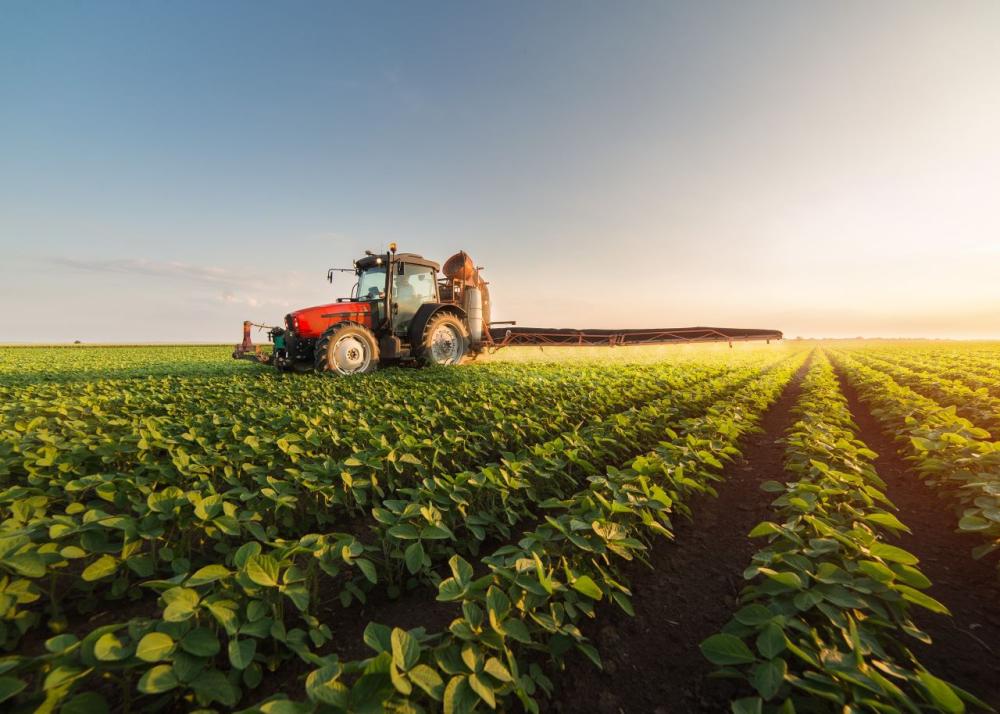
Agriculture and PPE: understanding the sector's specific features and their impact on safety
Agriculture is a unique sector, characterised by a wide variety of tasks and working environments. While this diversity is enriching, it also creates specific risks to the health and safety of agricultural workers. Understanding these particularities is essential to implementing an effective prevention strategy and making proper use of Personal Protective Equipment (PPE).
A wide range of tasks and environments
Farmers face a variety of tasks that change with the seasons and types of production. One day they may be working in the fields, exposed to bad weather and plant protection products, and the next looking after livestock in confined spaces. This versatility requires constant adaptation of safety measures and the PPE used.
According to statistics from the Mutualité Sociale Agricole (MSA), the French agricultural social security scheme, 47,000 occupational accidents were recorded in the French agricultural sector in 2021. Of these, 42.3% occurred in crop and livestock farming, highlighting the particular dangers of these activities.
Varied occupational risks
Agricultural workers are exposed to numerous and diverse risks:
- Mechanical risks: linked to the use of agricultural machinery and tools
- Chemical risks: due to exposure to plant protection products and other hazardous substances
- Biological risks: caused by contact with animals and pathogens
- Physical risks: linked to weather conditions, noise, vibration, etc.
- Ergonomic risks: resulting from awkward postures and repetitive movements
This diversity of risks calls for a comprehensive approach to safety, in which PPE plays a crucial role but must be complemented by other prevention measures.
The impact of climate change
Climate change adds a new dimension to safety challenges in agriculture. According to a study by FCBA funded by the French Ministry of Agriculture, extreme weather conditions increase the risk of accidents, particularly in the forestry sector. For example, the weakening of trees caused by drought increases the dangers for loggers and other forestry workers.
The importance of adaptation and training
Given these specific features, agriculture and PPE must evolve together. Protective equipment must be suited to the different tasks and working conditions, while remaining comfortable for prolonged use. In addition, ongoing training for agricultural workers on the specific risks of their job and the correct use of PPE is essential.
In conclusion, understanding the specific features of agriculture is the first step towards improving safety in this sector. The appropriate use of PPE, combined with a prevention culture and adequate training, can considerably reduce the risk of accidents and occupational diseases in farming.
Agriculture and PPE: specific occupational risks in the agricultural sector
The agricultural sector presents a multitude of specific occupational risks that require particular attention in terms of safety and personal protection. Here is an overview of the main hazards agricultural workers face:

1. Manual handling risks
According to data from the Mutualité Sociale Agricole (MSA), musculoskeletal disorders account for 93% of recognised occupational diseases in the agricultural sector. These disorders are often linked to:
- Carrying and handling heavy loads (bags of products, bales of hay, tools)
- Repetitive movements (vine pruning, milking cows)
- Awkward postures
The use of suitable PPE, such as lumbar support belts and ergonomic gloves, can help reduce these risks.
2. Fall risks
Falls, whether on the same level or from height, are common in agriculture:
- Falls in buildings, meadows or fields
- Falls from agricultural machinery or structures at height
Wearing slip-resistant safety footwear and using safety harnesses for work at height are essential to prevent these accidents.
3. Risks linked to agricultural machinery and vehicles
In 2022, 28 accidents per 1,000 employees were recorded in the agricultural sector, with higher rates in certain areas:
- 45 per 1,000 in farms specialising in large animals
- 40 per 1,000 in small animal farms
- 39 per 1,000 in mushroom farms
These accidents are often linked to the use of agricultural tools and machinery. Wearing specific PPE such as protective gloves, safety glasses and hearing protection is crucial.
4. Exposure to toxic substances
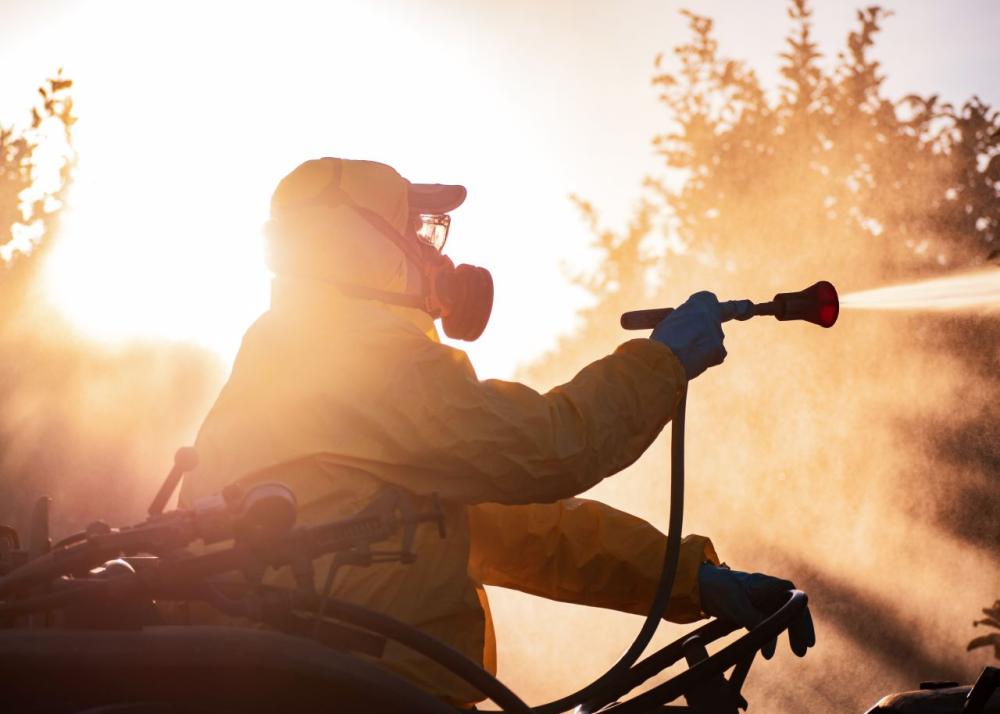
Handling plant protection products and other chemical substances presents risks of acute and chronic poisoning. The use of suitable PPE is essential:
- Chemical protective coveralls
- Respirators with appropriate filters
- Chemical-resistant gloves
5. Biological risks and zoonoses
Contact with animals and the natural environment exposes agricultural workers to various biological risks. Wearing specific PPE such as gloves, masks and protective clothing can reduce these risks.
6. Weather-related risks
Agricultural workers are exposed to extreme weather conditions:
- Intense heat: risks of dehydration and heatstroke
- Extreme cold: risks of hypothermia and frostbite
- Bad weather: increased risk of falls
Workwear suited to weather conditions is essential to protect workers.
7. Fire and explosion risks
Particularly present in livestock buildings and fertiliser storage areas, these risks require specific PPE such as flame-retardant clothing and respiratory protective masks.
In conclusion, the diversity and severity of occupational risks in the agricultural sector underline the crucial importance of Personal Protective Equipment (PPE). A comprehensive approach to safety, combining training, awareness and the appropriate use of PPE, is essential to effectively protect agricultural workers and reduce the number of accidents and occupational diseases in this vital sector.
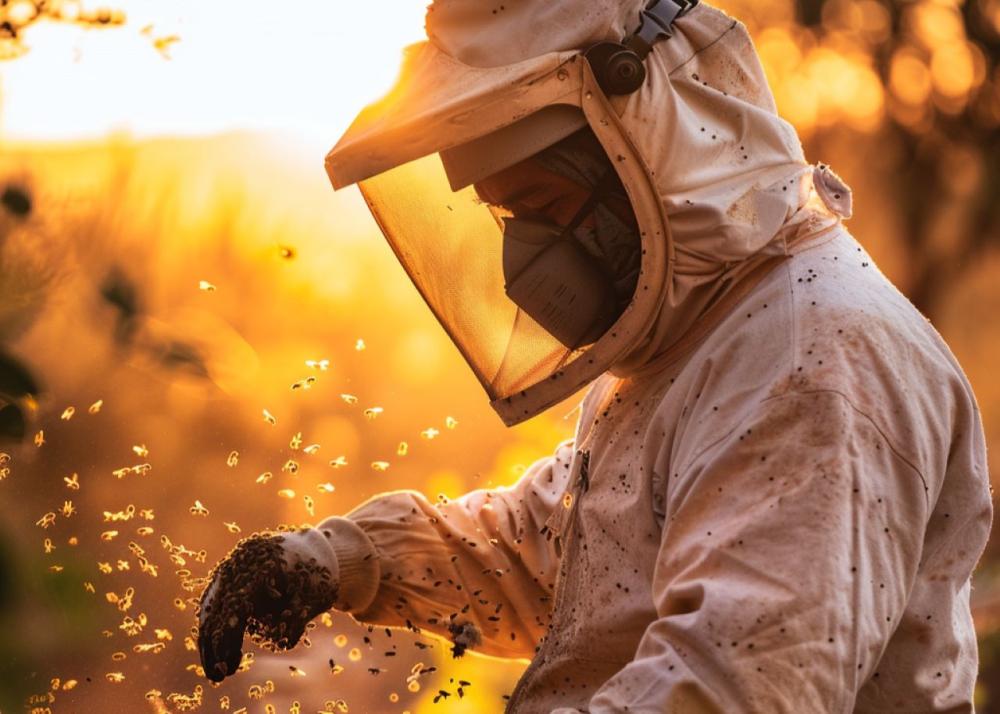
Agriculture and PPE: applicable regulations and standards
Regulations and standards for Personal Protective Equipment (PPE) in the agricultural sector are essential to ensuring worker safety. Here is an overview of the main provisions in force in France in 2024:
General regulatory framework
Wearing PPE is mandatory in France when applying plant protection products, whether conventional, biocontrol or approved for use in organic farming. This obligation applies regardless of the results of the risk assessments specific to each product.
French regulations consider that crop protection products are not harmless and that exposure to chemical risks must be kept to a minimum, whatever the origin or category of the product.
Specific standards for plant protection PPE
Since 2017, a new generation of international standards has been introduced to adapt PPE to the specific features of agricultural work. These standards, developed at the initiative of the French Ministry of Agriculture, aim to improve the ergonomics, comfort and effectiveness of equipment while maintaining a high level of protection.
The main standards to know are:
- ISO 27065: specific to protective clothing against plant protection products
- EN ISO 374-1: for protective gloves against chemicals
- EN 166: for eye protection
- EN 143/EN 14387: for respiratory protective devices
Label information
Plant protection product labels must state the PPE required for their use. Since 2019, a table harmonised across all plant protection companies has specified the mandatory PPE for each activity (mixing/loading, spraying or sowing, machine cleaning).
Training and awareness
The Certiphyto certificate, mandatory in France, includes a module on good practice in PPE use. This training is essential to raise farmers' awareness of the importance of wearing protective equipment.
Recent developments and outlook
In January 2024, the French National Commission for Ethics and Alerts in Public Health and the Environment (cnDAspe) issued an opinion calling for better management of occupational exposure to pesticides. Its recommendations include:
- Improving information, training and awareness among farmers about non-chemical alternatives and practices that reduce pesticide use.
- Assessing and improving current technical standards for PPE to ensure its effectiveness in different conditions of use.
- Fully integrating academic scientific data into pesticide risk assessment.
- Ensuring transparency on the data and methodologies used to assess occupational exposure.
Employer responsibility
Employers in the agricultural sector are legally required to:
- Provide suitable PPE to their employees free of charge
- Ensure it is actually worn
- Ensure its maintenance and replacement
- Train workers in its correct use
In conclusion, French PPE regulations in agriculture are strict and constantly evolving. They aim to ensure a high level of worker protection while adapting to realities on the ground. Farmers and employers in the sector must keep up to date with these developments to ensure the safety of everyone working on the farm.
Agriculture and PPE: suitable protection solutions
In the agricultural sector, personal protective equipment (PPE) plays a crucial role in keeping workers safe. Recent innovations have led to the development of better-suited solutions, combining effective protection with comfort. Here is an overview of the main protection solutions available in 2024:
-
1. Head protection
- Ventilated helmets: models such as the ventilated bump cap provide impact protection while delivering ventilation of 160 L/min, ideal for outdoor work in hot weather.
- Safety glasses and visors: eye protection suited to the different risks (splashes, UV, dust) is essential.
2. Respiratory protection
- Masks with interchangeable cartridges: the mask kit with interchangeable A2P3 cartridges can be adapted to the different types of chemicals used.
- Powered air-purifying respirators: particularly suitable for long periods of plant protection product use.
3. Body protection
- Plant protection coveralls: current models provide full protection against chemicals while being more comfortable and breathable than previous generations.
- Protective aprons: aprons provide effective protection during preparation and cleaning, while being easy to put on and take off.
4. Hand protection
- Chemical-resistant gloves: gloves specifically designed to resist the different types of plant protection products, offering good dexterity.
- Disposable gloves: for short tasks requiring occasional protection.
5. Foot protection
- Safety boots: current ranges offer lightweight, comfortable and chemical-resistant boots.
- Safety shoes: for work that does not require full foot protection.
6. Complete protection kits
Manufacturers now offer complete plant protection kits, including all the PPE needed for comprehensive protection.
7. Technological innovations
- Connected PPE: some equipment now incorporates sensors to monitor exposure to chemicals or working conditions (temperature, humidity).
- Smart materials: fabrics capable of changing their properties according to conditions of use (for example, becoming more waterproof on contact with liquids) are under development.
8. Solutions adapted to weather conditions
- PPE for hot climates: equipment specially designed for hot regions, offering better ventilation and UV protection.
- PPE for cold climates: solutions incorporating thermal insulation while maintaining protection against chemical risks.
It is important to note that PPE should be chosen on the basis of a precise assessment of the risks specific to each task and working environment. Farmers are encouraged to consult the safety data sheets of the products they use and to follow the recommendations of PPE manufacturers.
In addition, training in the correct use of PPE remains key to ensuring its effectiveness. New generations of PPE, which are more ergonomic and comfortable, aim to encourage systematic wear by agricultural workers, helping to significantly reduce the risk of accidents and occupational diseases in the sector.

Agriculture and PPE: a guide to selecting personal protective equipment
Choosing the right personal protective equipment (PPE) is crucial to keeping agricultural workers safe. Here is a practical guide to help you select the PPE best suited to your needs:
1. Assess specific risks
Before choosing your PPE, you need to carry out a full assessment of the risks associated with each agricultural task. Consider:
- The types of chemicals used
- Environmental conditions (temperature, humidity, sun exposure)
- The duration and frequency of hazardous tasks
- Mechanical risks (falling objects, cuts, etc.)
2. Consult labels and safety data sheets
Plant protection product labels and their safety data sheets (SDS) provide important information on the PPE required. Since 2019, a harmonised table on labels has indicated the mandatory PPE for each activity (mixing/loading, spraying, cleaning).
3. Choose certified PPE
Make sure the PPE you select complies with current standards. Look for CE marking and specific standards, for example:
- ISO 27065 for protective clothing against plant protection products
- EN ISO 374-1 for protective gloves against chemicals
- EN 166 for eye protection
- EN 143/EN 14387 for respiratory protective devices
4. Prioritise comfort and ergonomics
Comfortable PPE is more likely to be worn correctly and regularly. Look for:
- Lightweight, breathable materials
- Ergonomic designs that accommodate movement
- Appropriate sizes (try different models if necessary)
5. Consider weather conditions
Adapt your choices to the typical weather conditions in your region:
- For hot climates: choose ventilated or thermoregulating PPE
- For cold climates: choose PPE offering adequate thermal insulation
6. Think about equipment compatibility
Make sure the different items of PPE can be worn together without compromising their effectiveness. For example, check that the respirator is compatible with the safety glasses.
7. Assess durability and maintenance
Consider the service life of PPE and how easy it is to maintain:
- For reusable PPE: check the cleaning and storage instructions
- For disposable PPE: make sure you have sufficient stock and a regular replacement plan
8. Train yourself and your employees
Training in the correct use of PPE is necessary. Make sure all users:
- Understand the importance of wearing PPE
- Know how to put it on and take it off correctly
- Know the protection limits of each item of equipment
9. Keep up to date with innovations
The field of PPE is evolving rapidly. Keep an eye on new technologies that could offer better protection or greater comfort.
10. Consult experts
Do not hesitate to seek advice from occupational health and safety professionals or advisers specialising in agricultural PPE to guide your choices.
By following this guide, you will be able to select PPE that provides optimal protection while being suited to the specific features of your agricultural activity. Remember that safety is an investment, not an expense. Well-chosen PPE not only helps protect workers' health, but also improves the productivity and sustainability of your farm.
Agriculture and PPE: innovations and trends in personal protective equipment
The personal protective equipment (PPE) sector for agriculture is evolving rapidly, with many innovations aimed at improving the safety, comfort and efficiency of agricultural workers. Here is an overview of the main trends and innovations in 2024:
1. Smart materials
Advances in smart materials are revolutionising PPE design:
- Self-cleaning fabrics: fibres incorporating particles capable of breaking down chemical contaminants, reducing the risk of prolonged exposure.
- Phase-change materials: clothing that actively regulates body temperature, offering greater thermal comfort in a range of weather conditions.
- Antimicrobial textiles: built-in antibacterial and antifungal properties to reduce the risk of infection, particularly useful in humid environments.
2. Connected PPE and the Internet of Things (IoT)
Integrating connected technologies into PPE opens up new possibilities:
- Built-in sensors: real-time monitoring of chemical exposure, body temperature and other vital signs.
- Alert systems: automatic warnings when safety thresholds are exceeded or hazardous movements are detected.
- Geolocation: tracking workers' positions for a rapid response in the event of an accident, particularly useful on large farms.
3. Improved ergonomics and comfort
Manufacturers are focusing on comfort to encourage regular PPE wear:
- Anatomical designs: PPE designed to fit the body perfectly, offering greater freedom of movement.
- Ultra-lightweight materials: new composites reduce equipment weight without compromising protection.
- Active ventilation: air circulation systems built into clothing and helmets for greater thermal comfort.
4. Sustainable, eco-friendly solutions
The PPE industry is moving towards more environmentally friendly practices:
- Biodegradable materials: development of disposable PPE that breaks down naturally, reducing environmental impact.
- Recyclable PPE: equipment designed to be easily recycled at the end of its life.
- Eco-responsible production: use of low-impact manufacturing processes and materials from sustainable sources.
5. Customisation and adaptation
PPE is becoming increasingly adaptable to each user's specific needs:
- 3D printing: manufacture of made-to-measure PPE, particularly useful for face protection and gloves.
- Modularity: systems that allow layers of protection to be added or removed depending on the task.
- Automatic adjustment: PPE capable of adapting automatically to the user's body shape or to environmental conditions.
6. Integration of advanced technologies
Incorporating cutting-edge technologies is improving PPE functionality:
- Lightweight exoskeletons: development of support structures to reduce fatigue and the risk of injury during repetitive tasks or heavy lifting.
- Smart filtration: respirators with adaptive filtration systems that adjust automatically to pollution levels or the types of contaminants detected.
7. Innovative training and awareness
New technologies are also being used to improve training in PPE use:
- Virtual reality: immersive simulations to train workers in the correct use of PPE in different scenarios.
- Mobile apps: interactive tools to guide the choice and appropriate use of PPE according to the task.
- E-learning platforms: regularly updated online training modules reflecting the latest innovations and regulations.
These innovations and trends reflect a significant evolution in agricultural PPE. They aim not only to improve worker safety and comfort, but also to address the specific challenges of the agricultural sector, such as variable weather conditions and exposure to a range of chemical and biological risks.
By keeping up to date with these advances, farmers and farm managers can make informed choices to better protect their workforce while optimising the productivity and sustainability of their operations.
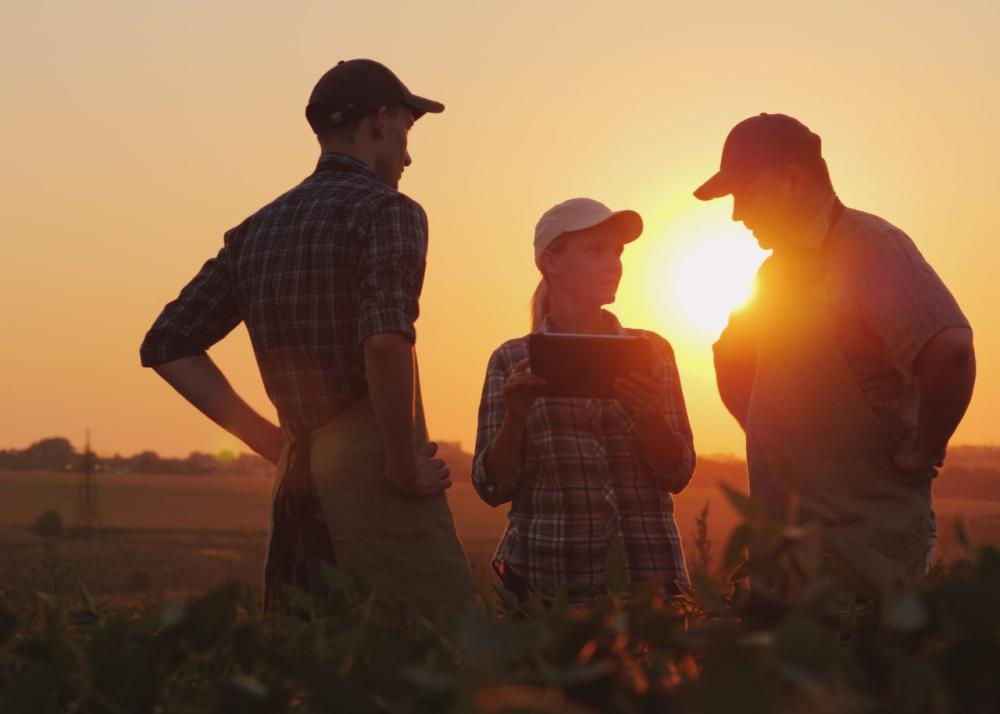
Agriculture and PPE: training and awareness, the keys to safety
Training and awareness are crucial to ensuring the effective use of Personal Protective Equipment (PPE) in the agricultural sector. Despite technological advances, PPE can only be fully effective if users understand its importance and know how to use it correctly. Here are the essential aspects of PPE training and awareness in agriculture:
1. Mandatory Certiphyto training
In France, Certiphyto training is a cornerstone of safety awareness in the use of plant protection products:
- Content: it includes a substantial module on good practice in PPE use.
- Target audience: mandatory for all professional users of plant protection products.
- Renewal: the certificate must be renewed regularly to stay up to date with the latest regulations and innovations.
2. Continuing training programmes
Beyond Certiphyto, continuing training is essential to maintain a high level of safety:
- Practical workshops: hands-on sessions to learn how to adjust, wear and maintain PPE correctly.
- Regular updates: training on new technologies and regulatory changes.
- Specific training: programmes tailored to different types of farms and crops.
3. Awareness of specific risks
A thorough understanding of the risks involved strengthens commitment to wearing PPE:
- Education on chemical hazards: detailed explanation of the short- and long-term effects of exposure to plant protection products.
- Mechanical and environmental risks: awareness of other hazards present in the agricultural environment (machinery, sun, etc.).
- Testimonials and case studies: sharing real experiences to illustrate the importance of PPE.
4. Using innovative technologies for training
New technologies offer engaging and effective ways to train workers:
- Virtual reality (VR): immersive simulations for practising PPE use in different scenarios.
- Augmented reality (AR): interactive visual guides for inspecting and correctly using PPE.
- E-learning and mobile apps: training modules accessible at any time, supporting continuous learning.
5. Awareness campaigns
Broad communication initiatives can help build a safety culture:
- Posters and visual materials: visual reminders of the importance of PPE in the workplace.
- Educational videos: short explanatory videos on good practice that are easy to share.
- Safety days: events dedicated to promoting safety and the use of PPE.
6. Involvement of manufacturers and distributors
PPE suppliers play an important role in training and awareness:
- Product demonstrations: practical sessions organised by manufacturers to present new PPE.
- Technical documentation: clear, detailed user guides supplied with each item of equipment.
- Technical support: a help service to answer questions about PPE use and maintenance.
7. Train-the-trainer
To ensure knowledge is shared effectively:
- Certification programmes: in-depth training for safety managers and team leaders.
- Skills updates: regular sessions for trainers to keep up to date with the latest innovations.
8. Evaluation and follow-up
To ensure training is effective:
- Knowledge tests: regular assessments to check understanding and application of good practice.
- Workstation audits: on-site checks to make sure PPE is being used correctly.
- Feedback: collecting and analysing user feedback to continuously improve training.
9. Cultural and linguistic adaptation
In a sector that often employs a diverse workforce:
- Multilingual materials: training materials available in different languages.
- Culturally adapted approaches: taking cultural differences in risk perception and safety into account.
10. Promoting a safety culture
The ultimate aim is to create an environment where safety is everyone's priority:
- Leading by example: visible involvement of managers in following safety instructions.
- Recognising good practice: recognising employees who show exemplary commitment to safety.
- Open communication: encouraging dialogue on safety issues and possible improvements.
In conclusion, training and awareness are essential components of an effective strategy to protect agricultural workers. They not only ensure PPE is used correctly, but also build a lasting safety culture on farms. By investing in these areas, employers can significantly reduce the risk of accidents and occupational diseases, while improving the productivity and wellbeing of their employees.
Agriculture and PPE: why choose Groupe RG
Groupe RG has established itself as a key leader in Personal Protective Equipment (PPE) distribution in France, with particular expertise in the agricultural sector. Here is why Groupe RG is a wise choice for your PPE needs:

-
1. Expertise and experience
- Market leader: with a turnover of more than €658 million, Groupe RG is the leading specialist PPE distributor in France.
- International presence: present in 18 countries, the group offers global expertise adapted to local specificities.
- Long history: drawing on its experience, Groupe RG understands the agricultural sector's changing protection needs.
2. A comprehensive, tailored range
- Extensive offering: Groupe RG offers the widest range on the market, with more than 100 global brands, providing solutions for every specific need in agriculture.
- Specialist products: a selection of PPE specifically designed for the risks associated with agricultural activities, from handling plant protection products to mechanical work.
3. Personalised advice and support
- Technical expertise: specialist advisers who can guide you in choosing the PPE best suited to your specific activities.
- Risk assessment: support in analysing the risks specific to your farm for optimal protection.
- Tailored training: training programmes adapted to your needs to ensure correct and effective PPE use.
4. Innovation and technology watch
- Cutting-edge products: access to the latest PPE innovations, incorporating the most recent technologies for better protection and comfort.
- Regulatory monitoring: constant updates on regulatory and standards developments to ensure your equipment remains compliant.
5. Commitment to sustainability
- RGreen Concept™: an innovative rating system that gives customers objective criteria to help them choose more responsible products.
- Promoting eco-design: promotion of partner manufacturers' eco-design approaches, contributing to more sustainable agriculture.
6. Quality customer service
- Local network: with 81 branches and subsidiaries across 18 countries, Groupe RG provides a local presence for fast, efficient service.
- Technical support: a dedicated team to answer your questions and resolve your PPE-related issues.
7. Tailored solutions
- Adaptability: the ability to offer customised solutions to meet the specific needs of each farm.
- PPE fleet management: equipment management and replacement services to ensure continuous, up-to-date protection.
8. Social and ethical commitment
- Strong values: Groupe RG is committed to customer focus, commitment, innovation, team spirit, expertise, ethics and performance.
- Social responsibility: a pioneering and recognised commitment in the social and environmental field, with numerous certifications and labels.
9. High-performance logistics
- Product availability: large stock levels and efficient logistics management to ensure the PPE you need is available quickly.
- Fast delivery: optimised delivery times to meet urgent requirements and the seasonal needs of the agricultural sector.
10. Value for money
- Competitive prices: thanks to its leading position and partnerships with the biggest brands, Groupe RG offers competitive prices without compromising on quality.
- Loyalty programmes: benefits for regular customers, helping to optimise personal protection costs.
By choosing Groupe RG for your agricultural PPE needs, you are choosing a reliable, expert and committed partner. Its comprehensive approach to protection, combining quality products, personalised advice and a commitment to sustainability, makes Groupe RG an ally of choice for ensuring the safety and wellbeing of agricultural workers while contributing to more responsible, high-performing agriculture.